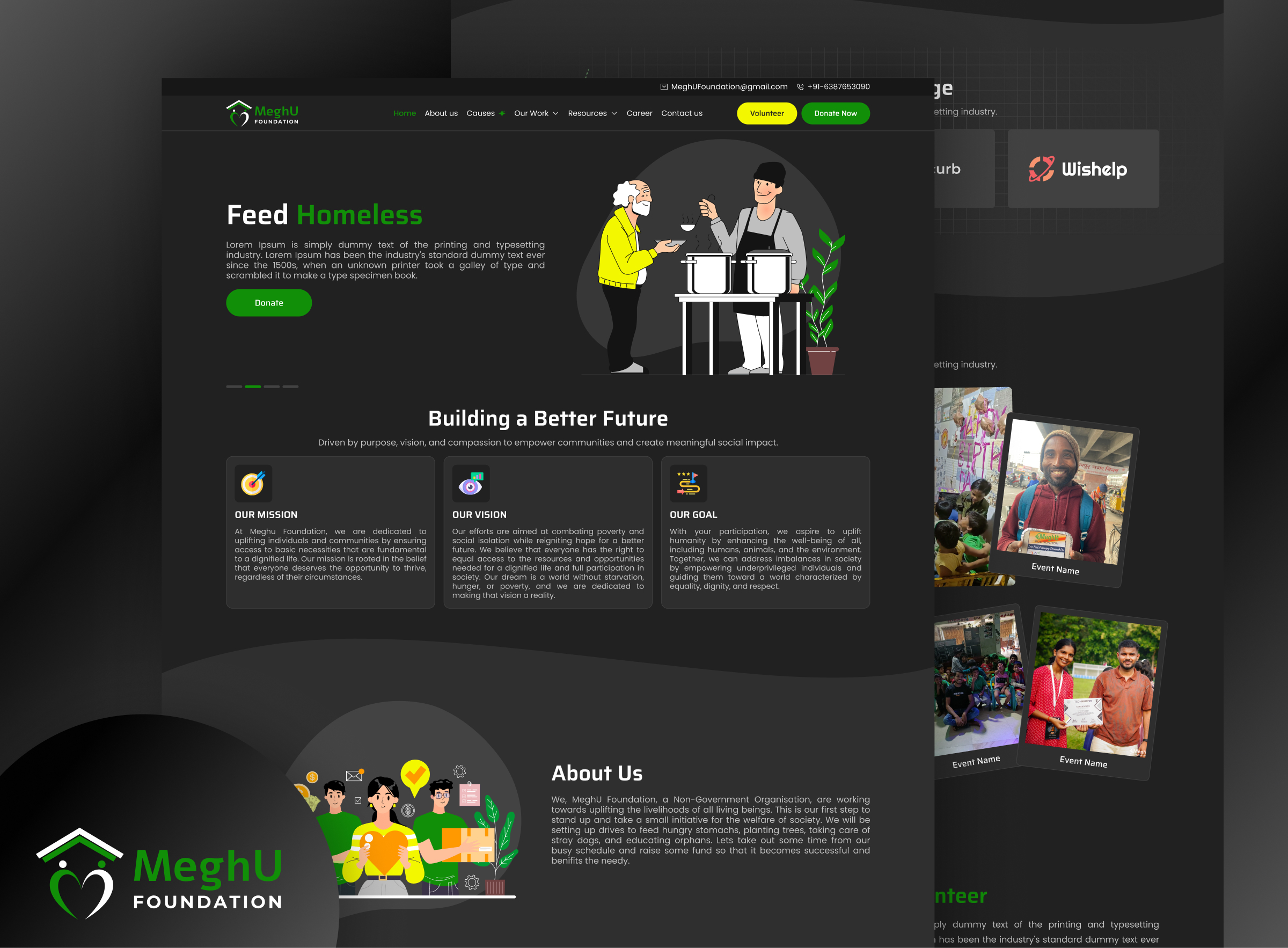
MEGHU – Mission to Empower Global Humanitarian Upliftment is a social impact platform that brings multiple humanitarian causes together in one digital ecosystem. The platform connects people, organizations, volunteers, donors, and communities to drive meaningful social change through collaboration and collective action.
MEGHU focuses on issues like education, healthcare, poverty, environmental sustainability, and community welfare. Users can explore initiatives, participate in volunteering activities, support donation campaigns, and stay updated with ongoing humanitarian efforts.
Designed with a user-centric approach, the platform features a clean UI, simple navigation, and engaging visuals to create an accessible and trustworthy experience that encourages users to contribute toward social betterment.
Category
Platform
The Goal
The goal of MEGHU was to design a unified digital platform that empowers people to discover, support, and engage with multiple social causes in one place. The platform aims to connect volunteers, donors, organizations, and beneficiaries through an easy-to-use and emotionally engaging experience.
The project focused on creating a seamless user journey where users can:
Explore different humanitarian causes
Participate in volunteer activities
Donate and support campaigns
Stay updated with social initiatives
Build trust through transparency and community engagement
The primary objective was to simplify social contribution and encourage more people to become active change-makers.
The Challenge
While researching existing NGO and humanitarian platforms, several challenges were identified:
1. Fragmented Social Platforms
Most social organizations focus only on a single cause, forcing users to switch between different websites and applications.
2. Low User Engagement
Many donation or volunteer platforms fail to emotionally engage users after the first interaction.
3. Complicated Navigation
Users often struggle to find causes, events, or volunteering opportunities quickly.
4. Trust & Transparency Issues
Users hesitate to donate because they lack visibility into how their contributions are being used.
5. Accessibility for All Age Groups
The platform needed to be easy enough for students, working professionals, and elderly users.
The Solution
MEGHU was designed as a centralized humanitarian ecosystem where users can:
Discover social causes through curated categories
Explore events and volunteering opportunities
Read stories and updates from communities
Donate securely and transparently
Connect emotionally with ongoing missions
The design solution focused on:
Clean and minimal UI
Emotional storytelling through imagery
Easy navigation structure
Community-focused interaction
Mobile-first responsive experience
Clear CTA buttons for participation and donations
The interface uses a green and white visual identity to represent growth, trust, positivity, and sustainability.
Design Process
I was in responsible for both strategy and visual design for this project as the experience designer.
Discover Phase
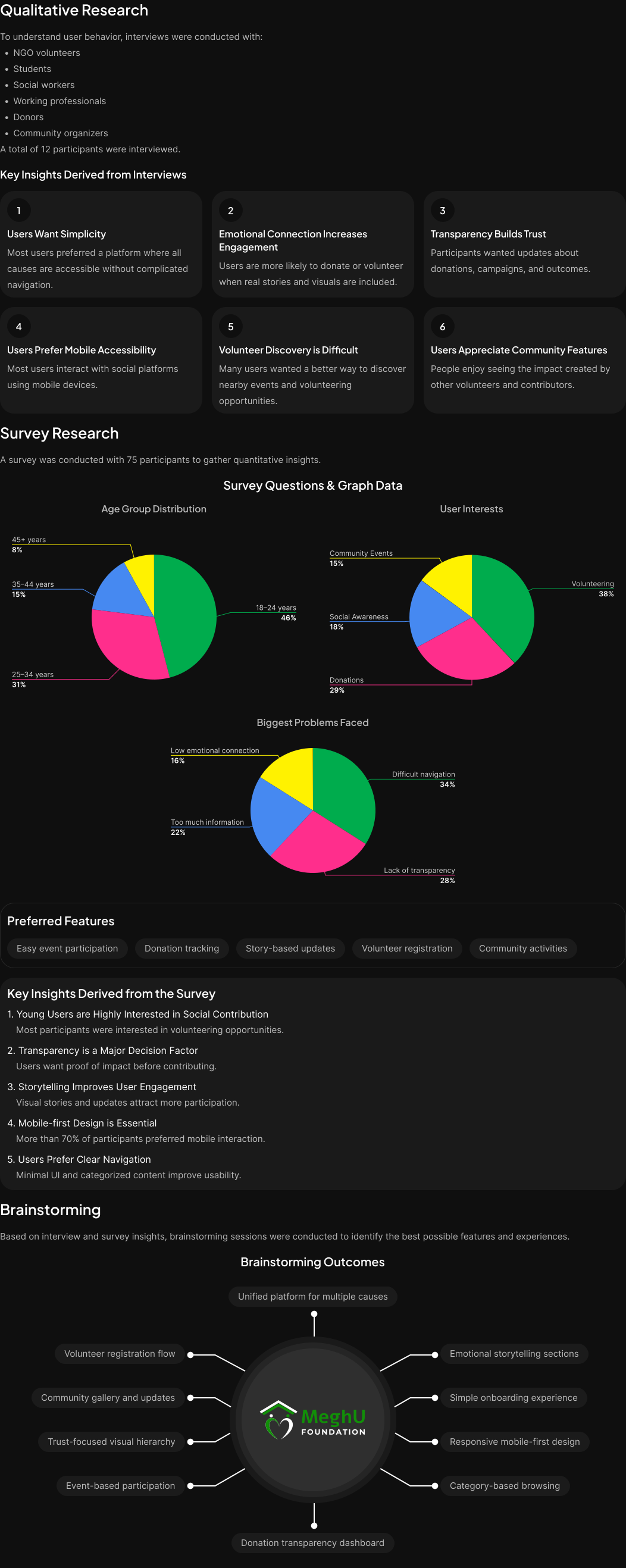
Define Phase
Parsonas
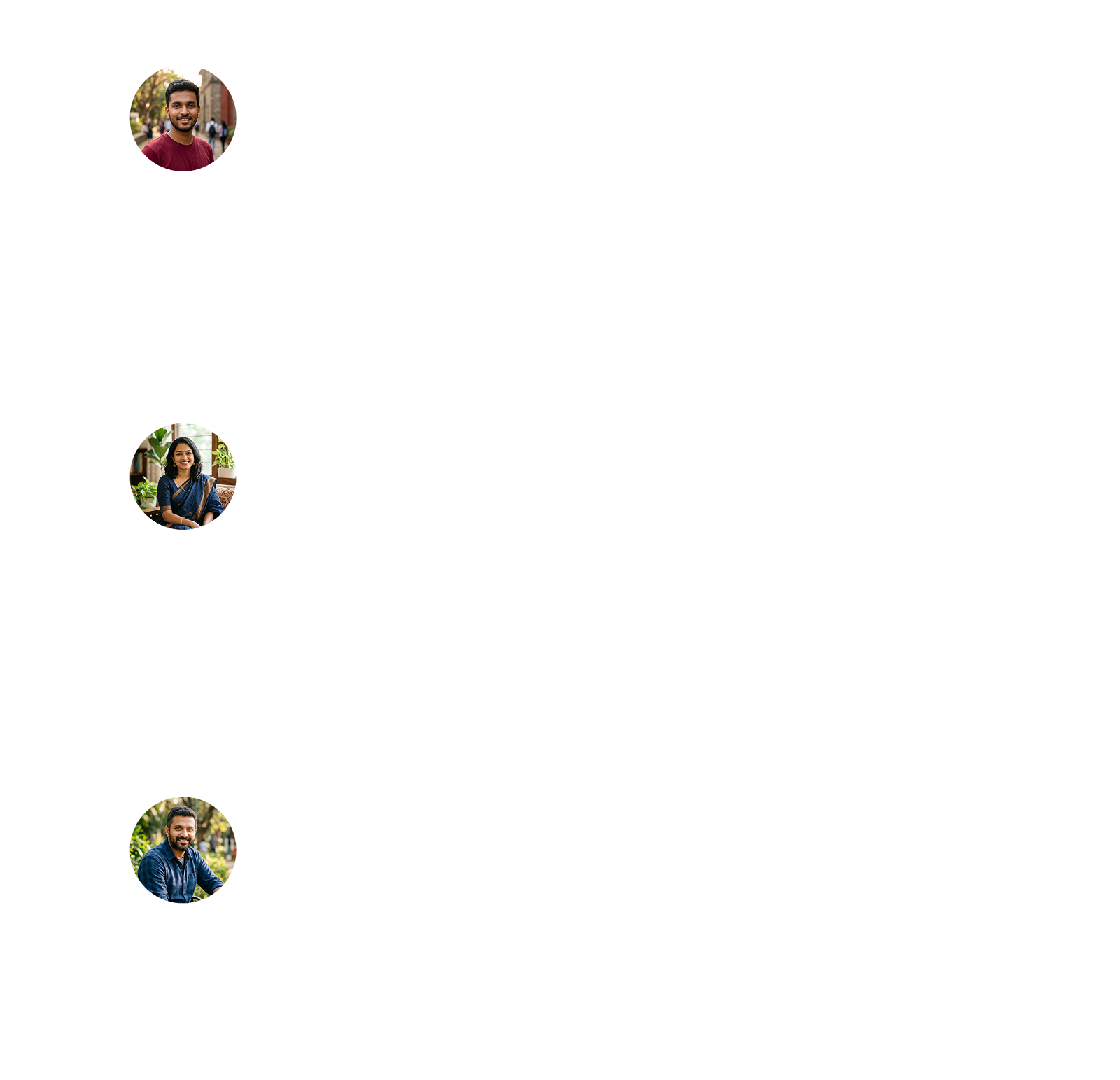
I developed a persona that represents the ideal application user using the information gathered from the survey and interviews. Because the persona provided a thorough insight of the user's objectives, problems, and general personality, it assisted me in coming up with better solutions.
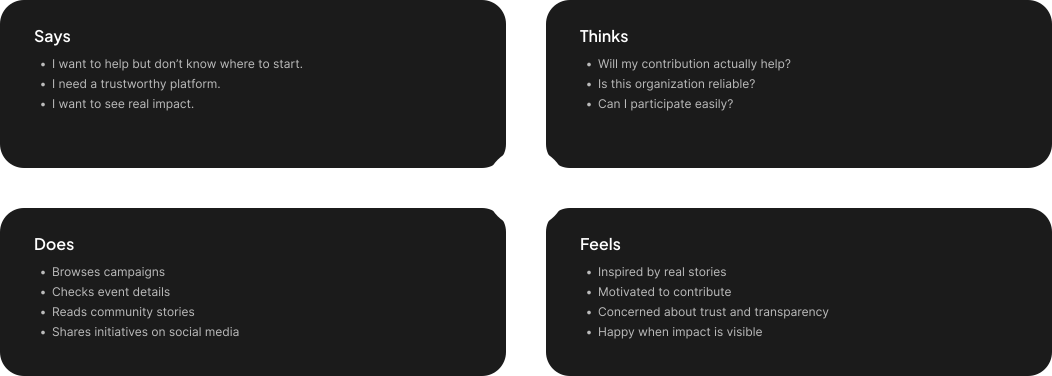
Empthay Map
This procedure was carried out in order to better define the target audience and provide examples of their demands and behaviors. I was able to understand their feelings and thoughts by using empathy mapping. The empathy map's information is derived from user interviews.
User Journey Map
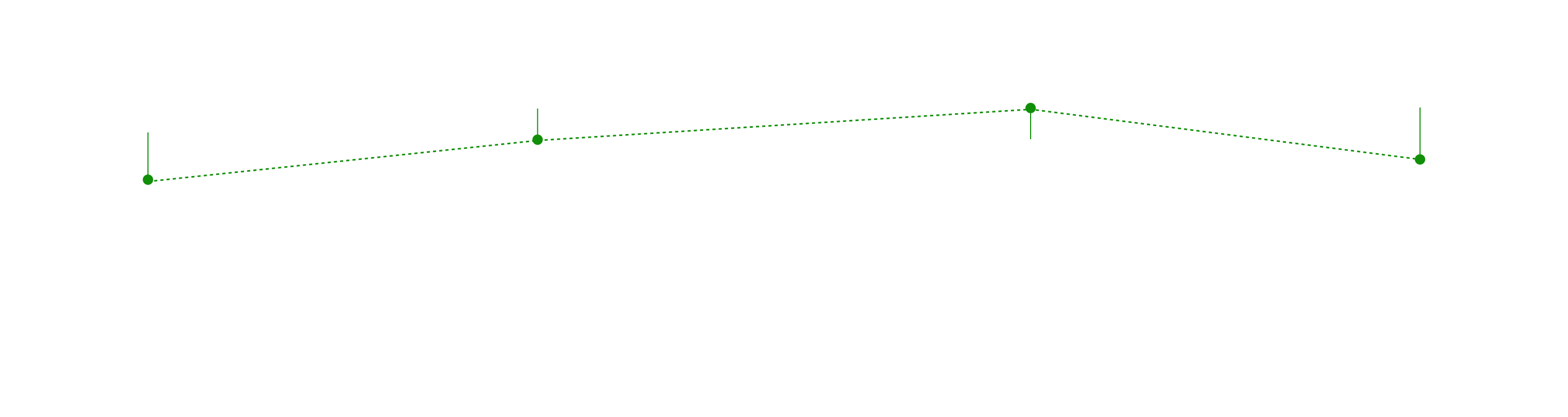
To identify areas where we can enhance the user experience, we created a visual representation of the user's journey across all of our applications touchpoints.
Ideate Phase
User Flow
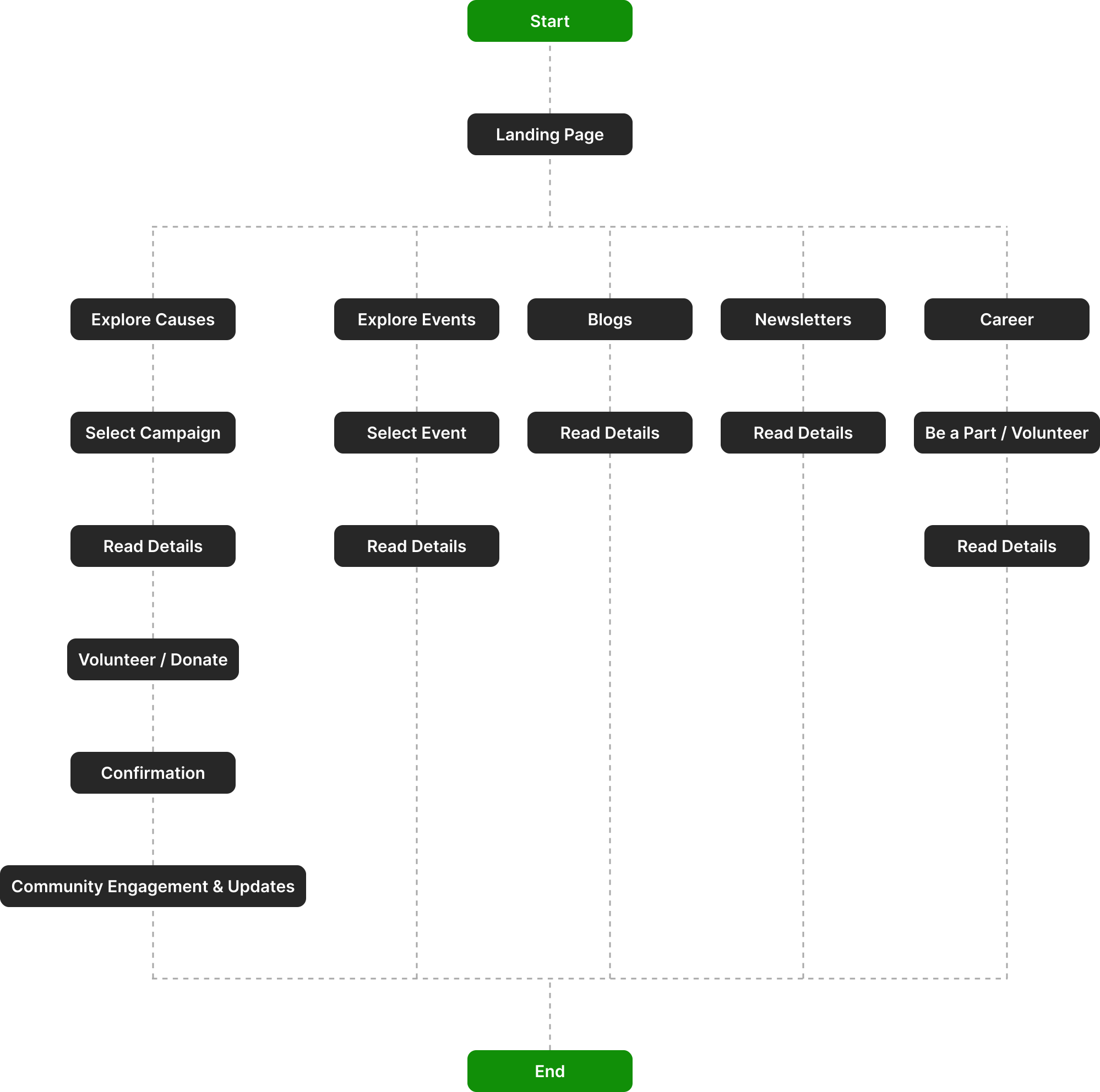
To show how the user will move around the application, I used Miro to construct a flow.
Card Sorting
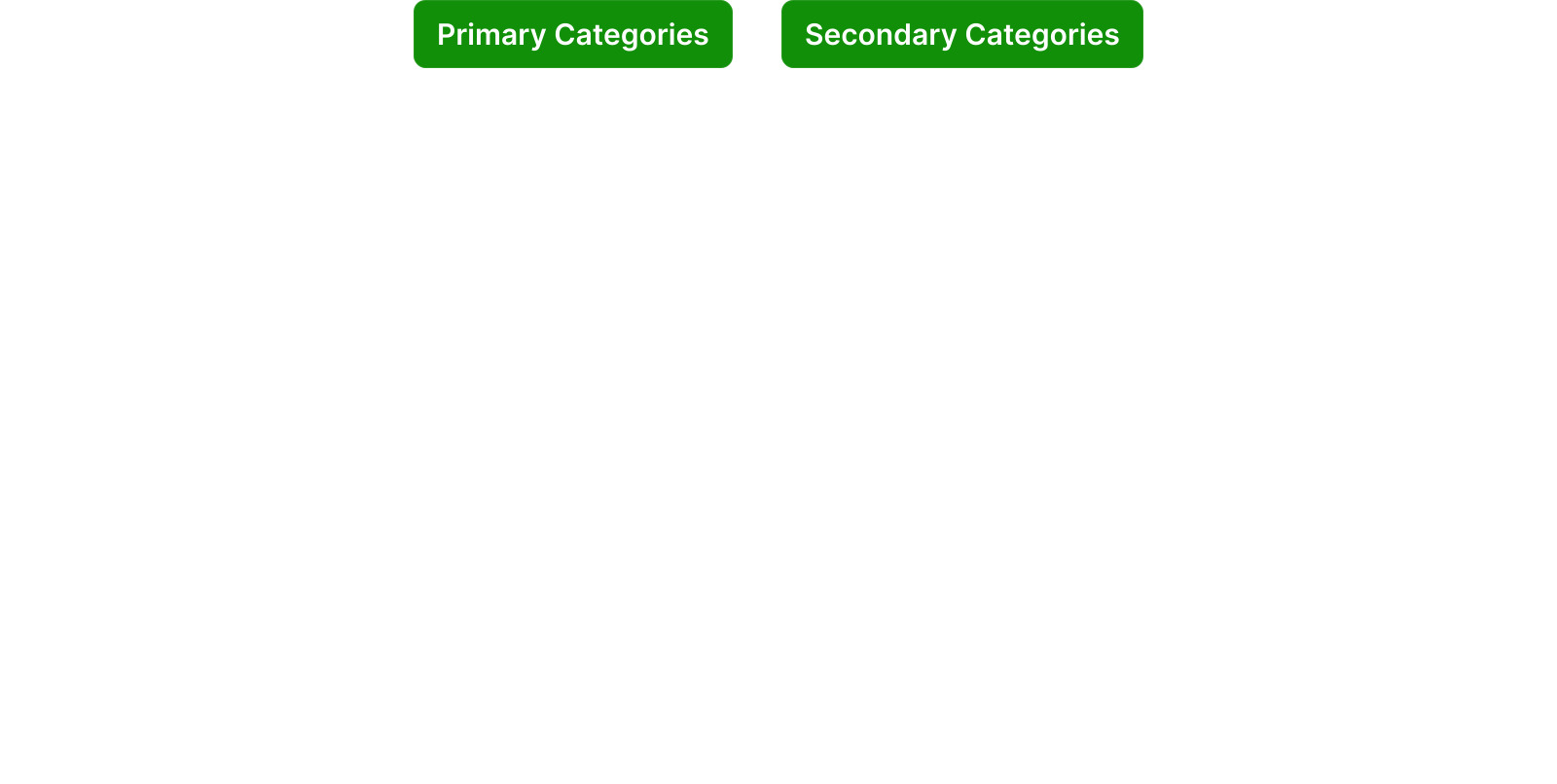
To further help in the organization of the information architecture, all the features were categorized under several parts using card sorting.
Information Architecture
To better fit the application's goals, the card sorting was significantly improved. To make them easier to find, some of the features were re-categorized.

Design Phase
Colors
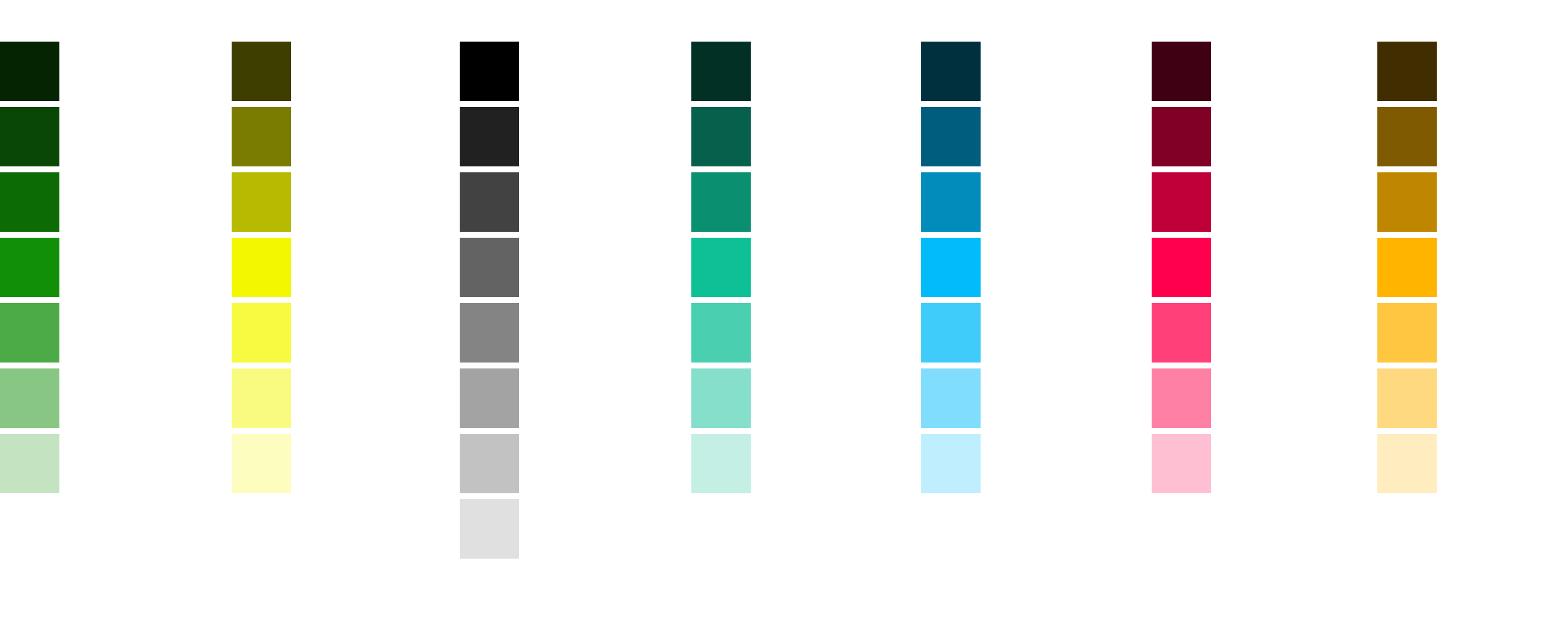
To create the Final Design I choose these colors.
Typography
In this Design I preferred to use this Font Family and the scale of the Font Size.

Logo
Here are the logo's which represent this Brand.

Designed Screens
Well-structured UI screens focused on improving usability and enhancing user satisfaction.


Test Phase
Usability Testing
Usability testing was conducted with administrators, security guards, and parking management staff to evaluate the usability and efficiency of the ANPR system.

Implementing Feedback
The suggestions form usability testing were considered and the following changes were made.